Junk Food: A Whimsical Font for Playful and Artistic Designs
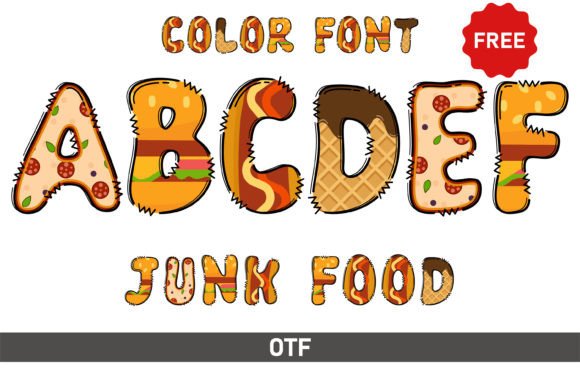
When you think of "Junk Food," your mind might jump straight to snacks. But in the world of creative design, Junk Food is actually a unique, eye-catching font family that brings a burst of personality to any project. It’s the kind of typeface that doesn’t just sit on the page—it jumps, twists, and plays, making it a favorite for designs that need to feel fun, youthful, and full of energy.
Where Does This Font Shine?
The true magic of the Junk Food font is in its versatility for specific, creative scenarios. It’s not for your corporate report, but it’s perfect for when you want to connect with an audience on a more personal, joyful level.
For the Craft Enthusiast: Imagine you’re making custom t-shirts for a family reunion or a bachelorette party. The playful, bold letters of Junk Food make a statement that’s instantly readable and full of fun. You can use the black version with your Cricut or Silhouette machine to cut out perfect vinyl decals for cups, tote bags, or even car windows. It’s a go-to for crafters who want their text to be a central part of the design, not just an afterthought.
In Children’s Media: This is where Junk Food feels right at home. Think about the title on a child’s birthday party invitation, the chapter headings in an early reader book, or the signage for a school play. The font’s whimsical curves and slightly irregular shapes mimic the way a child might draw letters, making it approachable and engaging. It turns reading from a task into an adventure.
For Small Businesses and Entrepreneurs: A food truck, a local bakery, or a quirky boutique can use Junk Food to build a brand identity that’s friendly and memorable. It works beautifully on menus, social media graphics, and packaging. For example, a cupcake shop could use it for their logo and price tags, instantly conveying a sense of handmade, delicious fun that attracts customers.
Understanding the Two Versions: A Practical Guide
One of the most important things to know about Junk Food is that it comes in two distinct versions, and choosing the right one for your project is crucial. This isn’t just a minor detail—it’s the key to a smooth creative process.
The black version is your workhorse for physical crafting. It’s a standard, single-color font file (OTF or TTF) that is fully compatible with cutting machine software like Cricut Design Space and Silhouette Studio. If your goal is to cut text out of vinyl, cardstock, or heat transfer material, this is the version you need. It’s straightforward, reliable, and lets the shape of the letters do the talking.
The color version is a different beast entirely. This is a special type of font that contains multiple colors within each glyph, creating a vibrant, multi-hued effect right out of the box. However, this comes with a major compatibility caveat. The color font files are not compatible with Cricut or basic design software. They are designed for use in advanced programs like Adobe Photoshop, Adobe Illustrator, Silhouette Studio Designer Edition, and Inkscape. If you try to use a color font in a program that doesn’t support it, you’ll likely see a plain, monochrome version or encounter errors. Always check your software’s capabilities before purchasing or using the color version.
Tips for Getting the Most Out of Junk Food
Using a display font like Junk Food effectively is about balance and context. Here are some practical observations from designers who love it.
- Pair it Wisely: Because Junk Food is so bold and expressive, it pairs best with simple, clean sans-serif or serif fonts for body text. Using two playful fonts together can quickly become chaotic. Let Junk Food be the star for headlines and short phrases, and use a neutral font for longer paragraphs.
- Consider Your Message: This font carries a strong tone. It’s perfect for messages that are celebratory, casual, humorous, or aimed at children. It’s probably not the right choice for a formal announcement or a serious corporate message. Match the font’s personality to your project’s voice.
- Size Matters: Junk Food is a display font, meaning it’s designed to be used at larger sizes. At small sizes, the unique details and playful shapes can get lost or become hard to read. Use it for titles, headers, and logos where it can be appreciated fully.
- Test Before You Commit: Especially with the color version, always test the font in your chosen software before designing an entire project. Make sure the colors render as expected and that the file behaves as you need it to. A quick test can save hours of frustration later.
Who Benefits Most from This Style?
Different users will find unique value in the Junk Food font family.
DIY Crafters and Makers appreciate the black version for its reliability with their machines. It gives them a professional-looking, custom typeface without the need for complex software skills.
Graphic Designers and Illustrators working on children’s products, party supplies, or playful branding can leverage the color version to create stunning, ready-to-use graphics in programs like Illustrator, saving time on manual coloring.
Content Creators and Social Media Managers can use it to create standout thumbnails, Instagram stories, or promotional graphics that pop in a crowded feed. Its playful nature helps grab attention quickly.
Parents and Teachers often use fonts like this for personal projects—making custom worksheets, chore charts, or party decorations that kids actually enjoy looking at. It adds a layer of care and creativity to everyday items.
In the end, Junk Food is more than just a set of letters. It’s a tool for injecting personality, joy, and a touch of whimsy into your creative work. By understanding its strengths, its compatibility needs, and the contexts where it thrives, you can use it to make designs that truly connect with your audience. Whether you’re cutting vinyl for a custom mug or designing a vibrant poster for a kids’ event, this font is a fantastic choice for when you want your text to be as lively as your idea.