Unleashing Creative Energy with Cafeina Dig: The Artistic Dingbat Font
In the digital age, typography is rarely just about the letters A through Z. It is about personality, atmosphere, and the subtle cues that tell a viewer how to feel about a design. While serif and sans-serif fonts handle the heavy lifting of readability, there is a specialized category of typefaces dedicated entirely to visual flair: dingbat fonts. Among these, Cafeina Dig stands out as a particularly dynamic and expressive tool. Created by author Marcos Buccini, this artistic dingbat font offers a unique collection of high-quality splatter symbols designed to inject energy and motion into creative projects.
Understanding the Concept of Dingbat Typography
Before diving into the specific utility of Cafeina Dig, it is helpful to understand what a dingbat font actually is. Historically, dingbats were typographic ornaments—small images or symbols used to break up text or decorate the margins of a page. In the modern era of digital design, these fonts have evolved into comprehensive icon sets where every letter on your keyboard corresponds to a unique graphic.
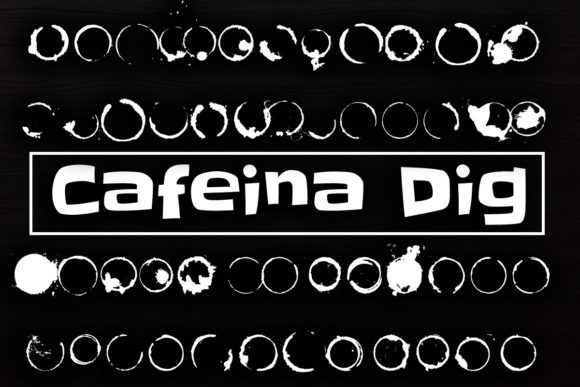
When you install Cafeina Dig, you are not installing a font for writing sentences. Instead, you are installing a library of vector graphics. Pressing the letter "A" might yield a specific ink splatter, while pressing "B" might reveal a different abstract drip. This method allows designers to utilize vector-based graphics without needing complex illustration software, making it a highly accessible tool for creators of all skill levels.
The Aesthetic of Chaos: Features of Cafeina Dig
The defining characteristic of Cafeina Dig is its raw, energetic aesthetic. As the name suggests, the font evokes the rapid, jittery energy often associated with caffeine, translated into visual form. The symbols within this font family are not clean, sterile geometric shapes. Instead, they embrace the organic imperfections of ink splatters, paint drips, and chaotic brush strokes.
Marcos Buccini designed this font to serve a specific niche: the need for "controlled chaos." In design, balancing order with disorder creates visual interest. Cafeina Dig provides the disorder element in a high-quality format that remains crisp even when scaled. Because it is a font, the symbols are vector-based, meaning they do not pixelate when enlarged. This makes the font suitable for both small digital icons and large-scale print media.
Key Visual Elements
- High-Contrast Splatters: The symbols feature sharp contrasts between the ink and the background, making them pop on various surfaces.
- Organic Textures: Unlike standard geometric icons, these shapes mimic the texture of real paint or ink, adding a tactile feel to digital designs.
- Versatile Silhouettes: The symbols are designed as solid silhouettes, making them easy to color and integrate into complex compositions.
Practical Applications for Creators and Businesses
The true value of a font like Cafeina Dig lies in its versatility. While it is an "artistic" font, its applications are grounded in practical design needs. From social media managers to greeting card designers, the utility of high-quality splatter symbols is vast.
1. Enhancing Digital Content and Social Media
In the fast-paced world of social media, grabbing attention within the first second is critical. Static backgrounds can often look dull. By using Cafeina Dig, content creators can overlay dynamic splatter marks on their images or video thumbnails. These marks add a sense of urgency and excitement, which can be particularly effective for promotions related to music, sports, streetwear, or limited-time offers.
2. Grunge and Vintage Design Projects
The grunge aesthetic—characterized by distressed textures and rough edges—remains popular in poster design and album art. Cafeina Dig fits perfectly into this style. Designers can use the symbols to create texture overlays on photos, simulating the look of a worn-out screen print or a vintage flyer. By layering these splatters over an image and adjusting the blending mode, one can instantly age a modern photograph.
3. Scrapbooking and Crafting
For the hobbyist and crafter, Cafeina Dig offers a way to add embellishments without the mess of actual paint. Digital scrapbookers can use these symbols to frame photos or accentuate journaling text. Physical crafters can print the symbols onto transfer paper to apply to fabrics, tote bags, or mugs, creating custom merchandise with a hand-crafted look.
Who Benefits from Cafeina Dig?
The audience for this font is diverse, spanning from professional graphic designers to small business owners looking to create their own marketing materials.
- Graphic Designers: Professionals can use Cafeina Dig as a quick asset for background textures or decorative elements, speeding up the workflow compared to hand-drawing splatters or searching for stock images.
- Event Planners: Those designing invitations for themed parties (such as neon glow parties or art events) can use the bold symbols to set the tone of the invitation immediately.
- Educators and Presenters: While it should be used sparingly, these symbols can highlight key points in a presentation or educational worksheet, drawing the eye to specific areas.
Evaluating Suitability: Strengths and Considerations
When deciding whether to incorporate Cafeina Dig into a project, it is important to evaluate both its strengths and its context of use. Like any specialized tool, it is not a universal solution.
Strengths
The primary strength of Cafeina Dig is its ability to convey energy instantly. It removes the need for complex illustration when a project calls for a messy, artistic vibe. Furthermore, because it is a font created by Marcos Buccini, it comes with the consistency of a unified design language; all the symbols share a similar style, ensuring a cohesive look across a project.
Limitations and Best Practices
The most significant consideration when using Cafeina Dig is readability. Because the symbols are complex and irregular, they should rarely be used as a background for body text. Placing a paragraph of writing over a busy splatter pattern will make the text illegible. Instead, these symbols work best as standalone elements, headers, or accents placed in areas with ample negative space.
Additionally, while the font is versatile, it is stylistically specific. It is best suited for casual, edgy, or artistic contexts. It would likely feel out of place in corporate legal documents or highly formal academic papers. Understanding the "mood" of your project is essential before applying Cafeina Dig.
How to Evaluate Fonts for Your Workflow
Choosing the right assets for a design project involves more than just aesthetics; it involves workflow efficiency. When evaluating a font like Cafeina Dig, consider the following questions:
- Does it save time? If you find yourself spending hours drawing ink splatters manually, a dingbat font is a superior workflow solution.
- Is it scalable? Ensure the font is vector-based so it works for both web and print. Cafeina Dig meets this criterion.
- Does it match the project tone? Ensure the "grunge" or "splatter" aesthetic aligns with the message you are trying to send.
Conclusion: The Value of Artistic Assets
In a visual landscape that is often crowded with clean lines and minimalism, Cafeina Dig offers a refreshing return to raw, expressive art. It serves as a bridge between the precision of digital design and the unpredictability of physical media. Whether you are a professional designer looking to add texture to a poster, or a hobbyist creating custom party invitations, the high-quality symbols provided by Marcos Buccini offer a practical and visually stunning solution.
By understanding the specific use cases—visual hierarchy, texture overlays, and thematic decoration—users can leverage Cafeina Dig to elevate their work from ordinary to extraordinary. It is a testament to how specialized typography can solve specific design challenges, proving that sometimes, the most useful tool in your kit isn't a letter, but a splatter.