Dub Bub: Unlocking Creative Layers with a Curvy Font
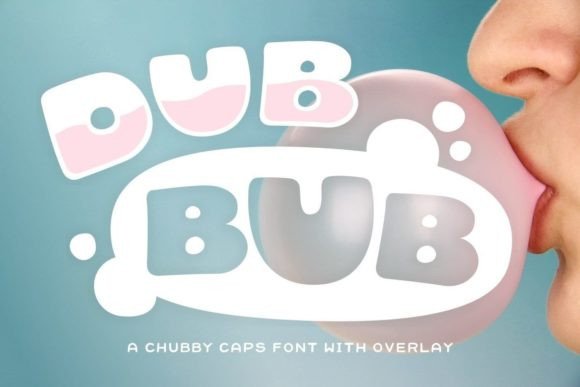
Finding a typeface that breaks away from the standard geometric shapes of modern design can be a challenge, especially when you are looking for something that feels both playful and impactful. Dub Bub is a distinctive font choice designed to fill that gap. It is an extra-bold, curvy typeface that prioritizes visual weight and personality over strict minimalism. Unlike standard fonts that offer a single static look, this typeface introduces a unique variable system where the uppercase and lowercase letters represent two entirely different visual styles. This allows creators to mix, match, and even layer characters to create customized text effects.
Understanding the Dual-Style System
At first glance, Dub Bub might look like a standard display font, but its utility goes much deeper. The defining feature of this typeface is its dual-style architecture. In many traditional fonts, the difference between uppercase and lowercase is simply size or shape (like a vs A). However, in this specific font family, switching between upper and lowercase keys changes the entire stylistic approach of the letter.
This feature is particularly useful for designers who want to create complex typographic art without needing advanced vector skills. You can type a word using only the "upper" style for a specific texture, or switch to the "lower" style for a smoother finish. Because these two styles are designed to complement each other, they provide a built-in toolkit for experimentation. It turns the simple act of typing into a creative process where you can toggle between two distinct visual moods instantly.
Practical Applications for Creators and Businesses
The utility of Dub Bub extends across various industries. For small business owners and entrepreneurs, branding is about standing out. A logo needs to be memorable, and this font’s extra-bold weight ensures high visibility. Whether you are designing a logo for a bakery, a children’s brand, or a creative agency, the curvy nature of the letters conveys friendliness and approachability.
- Logo Design: Use the font to create thick, readable headlines that anchor a brand identity.
- Social Media Graphics: The bold style commands attention in busy feeds, making it perfect for announcements or sale banners.
- Merchandise: T-shirts and stickers often require fonts that remain legible from a distance; the weight of Dub Bub handles this well.
- Educational Materials: Teachers and educators can use the curvy, friendly letters to make worksheets and posters more engaging for younger students.
The Art of Layering for Unique Effects
One of the most advanced yet accessible features of Dub Bub is the ability to layer the two styles on top of each other. In graphic design software, you can type a word using the first style, copy it, paste it directly on top, and change the pasted text to the second style. By adjusting the transparency or color of the top layer, you can create complex, multi-toned effects that look like custom illustrations rather than typed text.
This layering technique is excellent for creating vintage-style badges, psychedelic posters, or dynamic headers for websites. It solves a common problem for content creators: the need for unique visuals without spending hours drawing them by hand. By utilizing the dual styles of Dub Bub, you can generate fresh looks that keep your content feeling original and professional.
Considerations for Implementation
While Dub Bub is versatile, it is important to understand the context in which it works best. Because it is an extra-bold display font, it is generally not suitable for long blocks of body text. Reading paragraphs set in a heavy, curvy typeface can be tiring for the eyes. Instead, it should be reserved for headlines, sub-headers, and graphic elements where impact is the priority.
Additionally, because the font relies on the interplay between its two styles, it is most effective in software that allows for easy character manipulation, such as Adobe Illustrator, Photoshop, or Canva. Users working in standard word processors might find it harder to utilize the layering features, though they can still benefit from the distinct upper and lowercase styles individually.
Why Typography Choice Matters
Choosing a font is rarely just about aesthetics; it is about communication. The right typography signals to your audience what kind of experience they can expect. A sharp, serif font might signal tradition and authority, while a rounded, bold font like Dub Bub signals energy, fun, and creativity. For freelancers and marketers, aligning your typography with your brand voice is a critical step in building trust with your audience.
If your brand values are centered around being approachable, bold, and innovative, this typeface aligns perfectly with those goals. It moves away from the cold, corporate look and embraces a more human, hand-crafted feel that resonates well in today’s digital landscape.
Final Thoughts on Choosing the Right Font
When selecting a typeface for your next project, consider not just how it looks in a static preview, but how it functions. Dub Bub offers a level of flexibility that many standard fonts lack. Its dual-style system encourages experimentation and allows you to customize your typography to fit the specific needs of your project. Whether you are a hobbyist making party invitations or a professional designing a brand launch, having a font that offers both weight and versatility can significantly streamline your creative workflow.