Infusing Eerie Elegance: A Deep Dive into the Zumanie Typeface
In the ever-evolving landscape of graphic design and digital crafting, the choice of typography is rarely merely functional; it is an emotional decision. The right font sets the tone, dictates the mood, and ultimately determines the success of a visual message. For designers and crafters looking to bridge the gap between modern sophistication and gothic unease, Zumanie emerges as a compelling solution. Developed by the creative minds at Kong Font Studio, this modern, eerie decorative font offers a unique aesthetic that can transform standard projects into atmospheric masterpieces. This article explores the practical applications, creative challenges, and implementation strategies for using Zumanie in your design workflow.
Understanding the Aesthetic: What is Zumanie?
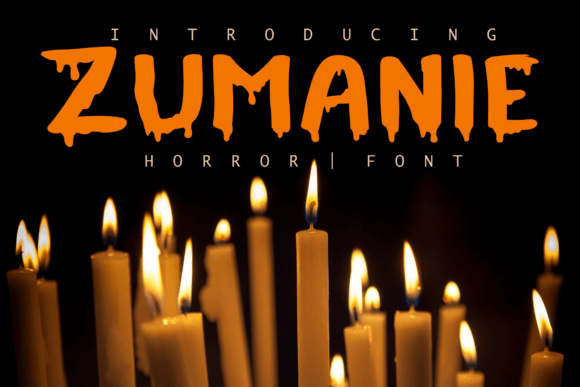
At its core, Zumanie is a typeface characterized by its ability to evoke a sense of the supernatural while maintaining a clean, modern edge. Unlike traditional "scary" fonts that often rely on jagged edges or dripping effects to convey horror, Zumanie takes a more refined approach. It features unique character shapes that feel slightly distorted or ethereal, creating an atmosphere that is unsettling yet elegant. This makes it a versatile asset for designers who want to evoke a "dark fantasy" vibe rather than a cartoonish Halloween aesthetic.
Created by Kong Font Studio, a reputable name in the digital font market, Zumanie is designed with compatibility and usability in mind. It is fully integrated into modern design ecosystems, ensuring that whether you are a professional graphic designer using Adobe Photoshop or a home crafter utilizing Silhouette Design Studio, the font renders beautifully. The distinct personality of Zumanie lies in its spacing and weight, offering a haunting readability that draws the viewer in.
Addressing the Designer’s Challenge: Standing Out in a Saturated Market
One of the most significant challenges facing today’s visual creators is differentiation. When designing for seasonal events, particularly Halloween, or creating branding for alternative fashion and music, designers often struggle to find typography that feels authentic. Standard serif fonts may look too corporate, while standard horror fonts can look cheap or illegible. The goal is often to find a typeface that communicates "spooky" without sacrificing professionalism or elegance.
Zumanie addresses this specific pain point. It solves the problem of the "generic seasonal look." For a business owner creating merchandise for a haunted attraction, or a designer working on a book cover for a thriller novel, the font needs to do heavy lifting. It needs to signal the genre immediately. By utilizing Zumanie, creators can bypass the clutter of overused fonts and present a visual identity that feels fresh, curated, and intentionally designed. It moves the conversation away from "scary" and toward "atmospheric," which is often the missing link in high-end spooky design.
Practical Applications and Implementation
The true value of a font like Zumanie is realized in its application. Because it is a decorative font, it is best used strategically rather than for long blocks of body text. Its strength lies in headlines, titles, logos, and display text where its unique character shapes can be fully appreciated.
Event Invitations and Stationery
For hosts planning upscale Halloween parties, gothic weddings, or themed dinner events, the invitation sets the expectation. Zumanie excels here by providing a sophisticated headline font. Imagine a wedding invitation where the couple's names are rendered in the flowing, eerie strokes of Zumanie, contrasted against a clean, minimalist sans-serif for the details. This juxtaposition creates a balance between readability and theme, ensuring the invitation looks expensive and well-designed.
Apparel and Merchandise Design
The print-on-demand and crafting markets are massive, particularly for niche aesthetics like "cottagecore goth" or "dark academia." Using Zumanie on t-shirts, tote bags, or hoodies can appeal to these demographics. The font’s modern edge ensures that the merchandise looks stylish enough to wear year-round, not just during the October season. For crafters using tools like the Silhouette Design Studio, Zumanie cuts cleanly, making it ideal for vinyl decals and heat transfers.
Digital Media and Branding
Podcasters, YouTubers, and bloggers focusing on horror fiction, true crime, or paranormal investigation need a brand identity that matches their content. Zumanie can serve as the primary logo typeface, creating instant brand recognition. Its compatibility with Photoshop means that social media managers can easily overlay the text onto atmospheric background images, ensuring that the typography blends seamlessly with the visual content.
Tailoring the Approach: Different Users, Different Needs
While the font remains the same, the way Zumanie is implemented will vary significantly depending on the user's specific goals and tools.
The Digital Crafter: For users operating primarily with cutting machines like Silhouette or Cricut, the concern is often technical. Will the intricate details of the font tear when weeding vinyl? Zumanie is designed with these constraints in mind, balancing decorative flair with structural integrity. Crafters should focus on using Zumanie for larger cuts, such as wall decals or large tote bag designs, where the eerie details of the letters can be clearly seen without the risk of losing small pieces during the weeding process.
The Professional Graphic Designer: A designer working in Photoshop or Illustrator will view Zumanie as a component of a larger composition. They might focus on the kerning (spacing between letters) to tighten the look for a compact logo, or expand the tracking to create a sense of dread and isolation for a movie poster. The professional approach involves pairing Zumanie with high-contrast photography. For example, using the font in a stark white against a dark, misty forest background can create a cinematic quality.
The Small Business Owner: An entrepreneur running a seasonal pop-up shop or an online store needs consistency. They might use Zumanie across all touchpoints—from the website header to the packaging stickers. The goal here is brand cohesion. By standardizing on Zumanie, the business creates a memorable experience for the customer that reinforces the shop's unique "eerie but modern" vibe.
Recommendations for Maximum Impact
To get the most out of Zumanie, consider the following implementation strategies:
- Color Psychology: Pair the font with a color palette that enhances its eerie nature. Deep purples, midnight blues, and stark blacks work well. For a more modern twist, try neon greens or electric blues against dark backgrounds to create a "cyber-goth" effect.
- Contrast is Key: Because Zumanie is decorative, it demands a simple companion font. Do not pair it with another stylized script. Instead, use a geometric sans-serif for body text to ensure the headline font remains the star of the show.
- Scale and Size: Decorative fonts often lose their impact when shrunk too small. Always use Zumanie at a size where its unique ligatures and character shapes are legible. If you are designing for mobile devices, test the font size to ensure it doesn't become a blurry mess on smaller screens.
- Context Matters: While Zumanie is great for Halloween, don't limit it to October. Its "eerie" quality fits perfectly with themes of mystery, magic, fantasy gaming, and alternative music. Use it for a fantasy novel cover or a heavy metal band flyer to expand its utility beyond the holiday season.
Conclusion
In the search for typography that balances the macabre with the modern, Zumanie stands out as a robust and versatile option. Developed by Kong Font Studio and widely available on platforms like Creative Fabrica, it offers a solution for the common design dilemma of finding spooky fonts that don't look outdated. Whether you are a hobbyist crafting invitations in Silhouette Design Studio or a professional designing a brand identity in Photoshop, Zumanie provides the tools to create work that is haunting, memorable, and distinctively yours. By understanding its strengths and applying it thoughtfully, you can elevate your projects from simple designs to atmospheric experiences.