Horrible: The Surprisingly Charming Font for Authentic Designs
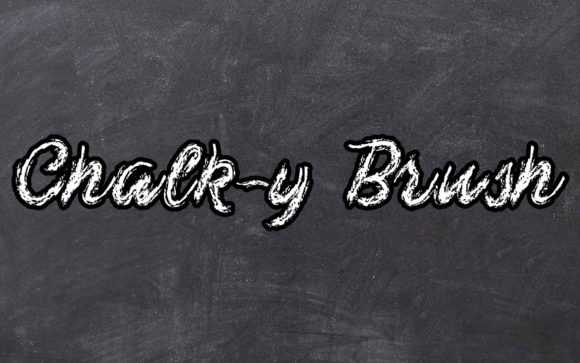
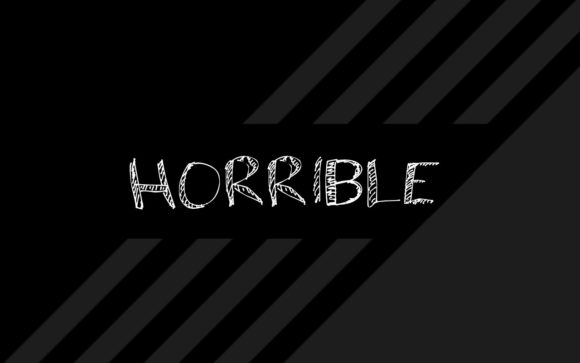
You know the feeling when you stumble upon something that just clicks? That's what happens with Horrible, a cute and simple lettered handwritten font. Don't let the name fool you—there's nothing awful about it. Created by Florencia Raffa, this typeface brings a genuine, personal touch that digital designs often crave. It’s the kind of font that feels like it was scribbled by a friend with a piece of chalk, instantly adding warmth and authenticity to any project.
Where does a font like Horrible truly shine? Think about the last time you saw a motivational quote on a coffee shop chalkboard. The slight imperfections, the varying line thicknesses, the human touch—it all contributed to the feeling. Horrible replicates that exact vibe digitally. It’s perfect for educators creating engaging worksheets, small business owners designing social media posts, or anyone crafting a heartfelt invitation. The font doesn't just display words; it conveys a mood of approachability and sincerity.
Bringing Chalkboard Charm to Digital Spaces
The magic of Horrible lies in its ability to bridge the gap between analog warmth and digital convenience. It’s not a sterile, perfect script. The letterforms have a natural, hand-drawn quality with subtle variations that make text feel alive. This makes it exceptionally useful for designs aiming to connect on a personal level. Imagine creating a series of Instagram quotes for a wellness coach—the authentic feel of Horrible can make the message feel more intimate and trustworthy than a standard sans-serif font ever could.
For teachers and parents, this font is a quiet hero. Educational materials, especially for younger children, benefit immensely from a friendly, readable handwritten style. Horrible is clear enough to be legible on a screen or printed page but retains that playful, approachable character. Use it for vocabulary lists, story prompts, classroom labels, or reward certificates. It turns mundane handouts into something that feels a little more special and engaging for students.
Real-World Applications Across Industries
Beyond education, Horrible finds its place in a variety of creative and commercial contexts. Here’s how different users can leverage its charm:
- Small Businesses & Entrepreneurs: Craft a cohesive brand identity that feels handmade and authentic. Use Horrible for menu headers in a café, product labels for artisanal goods, thank-you note graphics in e-commerce packages, or social media stories announcing a sale. It communicates care and personality.
- Event Planners & Individuals: Designing a wedding, birthday party, or community event? Horrible is ideal for save-the-dates, invitation headers, table numbers, or signage. Its casual elegance sets a relaxed, joyful tone without feeling overly formal.
- Content Creators & Bloggers: Stand out in a crowded digital landscape. Use Horrible for featured image text, YouTube thumbnails, podcast cover art, or printable quote art. It helps establish a recognizable, personal brand voice.
- Non-Profits & Community Groups: Convey mission and warmth in fundraising materials, volunteer recruitment posts, or event flyers. The font’s authenticity can help build a stronger emotional connection with an audience.
The key is context. Horrible works best where a human touch is valued over corporate polish. It’s the font equivalent of a friendly smile—it puts people at ease and makes the message feel more relatable.
Choosing and Using Horrible Wisely
Like any design tool, Horrible has its sweet spots and considerations. Its strength is in display use—headlines, short phrases, and titles. For body text or long paragraphs, its handwritten nature can reduce readability, so pairing it with a clean, simple sans-serif or serif font is a smart move. Think of Horrible as the accent piece, the standout element that draws the eye, while a more neutral font carries the supporting information.
Color and background matter immensely. Horrible looks spectacular on textured backgrounds that mimic chalkboards, kraft paper, or natural wood. It also pops beautifully against solid, muted colors. Avoid placing it on busy, high-contrast patterns where its delicate lines might get lost. Testing at different sizes is also crucial; ensure the text remains legible on both a mobile screen and a printed poster.
Another consideration is overuse. The very quality that makes it special—its distinct personality—can become overwhelming if applied to every element on a page. Use it strategically for maximum impact. A single headline or a highlighted quote using Horrible, balanced with more subdued typography elsewhere, creates a far more effective and professional design than saturating the entire layout with it.
The Emotional Impact of Authentic Typography
Why does a font like Horrible resonate so deeply? In a world saturated with sleek, digital interfaces, we often crave a sense of humanity and imperfection. Horrible taps into that desire. It evokes nostalgia for handwritten notes, classroom chalkboards, and personal letters. This emotional connection is powerful. For a brand, it can translate to trust. For a personal project, it can convey love and effort.
Consider the difference between receiving a generic, machine-printed birthday card and one with a message that looks handwritten. The latter feels more personal, more thoughtful. Horrible allows you to inject that same feeling into digital communications. It’s a subtle but effective way to stand out and make your audience feel seen and valued.
Ultimately, Horrible is more than just a font—it’s a tool for storytelling. Florencia Raffa designed it to capture a simple, honest aesthetic. Whether you’re a teacher trying to inspire students, a baker making a menu, or a friend creating a heartfelt graphic, this font helps you tell your story with authenticity and charm. It reminds us that sometimes, the most effective designs aren't the most perfect, but the most human.