Chalk-y Brush: The Decorative Font for Authentic Visuals
There is a tangible quality to chalkboard art that digital screens often struggle to replicate. It feels handmade, nostalgic, and inherently approachable. However, managing actual chalk dust and slate boards is rarely practical for modern design workflows. This is where Chalk-y Brush steps in. Designed by Ștefancu Gabriel, this typeface captures the raw, textured essence of hand-lettered chalk while maintaining the scalability and versatility required for professional digital projects. It is not merely a font; it is a stylistic tool that bridges the gap between rustic charm and contemporary utility.
Anatomy of the Typeface
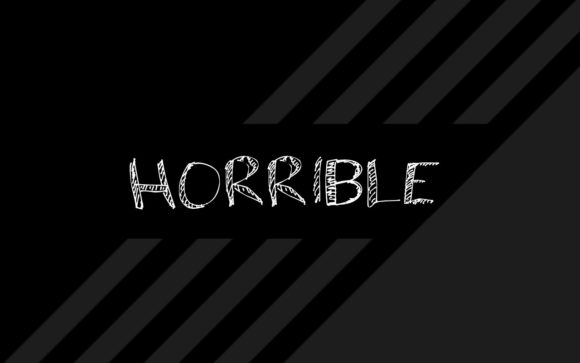
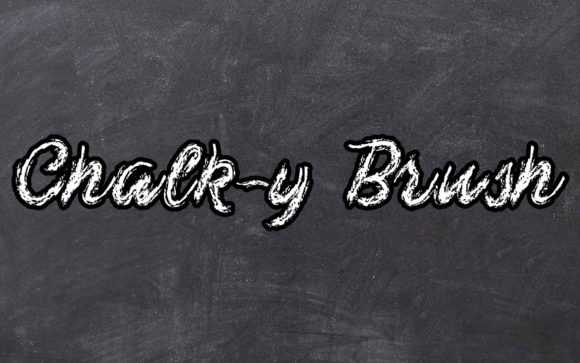
When evaluating a decorative font, the first thing to notice is how the characters interact with one another. Many novelty fonts suffer from a "stamped" look, where each letter appears isolated and rigid. Chalk-y Brush avoids this pitfall through careful construction. The characters are well-balanced, meaning the weight distribution feels natural despite the rough texture. You will notice that the strokes vary in thickness, mimicking the pressure of a human hand holding a piece of chalk. This organic variation is crucial. It prevents the text from looking sterile or machine-generated.
The texture of the font is its defining feature. It does not look like a clean vector; it looks like pigment adhering to a porous surface. However, unlike some grunge fonts that become illegible at smaller sizes, this typeface maintains legibility. The kerning—the spacing between characters—is calibrated to ensure that words hold together as cohesive units. This balance allows it to function effectively in headlines where impact is necessary, as well as in sub-headers where clarity remains paramount.
For Small Business Owners and Restaurants
Imagine a local coffee shop updating its seasonal menu. Hiring a professional chalk artist is expensive, and using a standard serif font feels disconnected from the "homemade" vibe of the venue. Chalk-y Brush offers a middle ground. It provides the artisan aesthetic without the logistical headache. Business owners can design their menus in a standard design tool, apply the font to a dark background, and print them or display them on digital signage. It instantly communicates a casual, welcoming atmosphere that invites customers to relax.
Educational and Classroom Settings
Teachers and educators often struggle to create materials that are engaging but not distracting. In a digital learning environment, text-heavy slides can cause cognitive fatigue. Utilizing Chalk-y Brush for headings or key terms can break up the visual monotony. It evokes the familiarity of the physical classroom blackboard, creating a psychological bridge between traditional learning and digital consumption. It works particularly well for subjects like history or literature, where a touch of tradition adds gravitas to the content.
Digital Marketing and Branding
For marketers, context is everything. If you are running a campaign for an artisanal product, a rustic wedding venue, or a DIY workshop, the typography needs to reflect the product's nature. A sleek, sans-serif font might suggest efficiency, but Chalk-y Brush suggests craftsmanship. It signals to the viewer that the content is creative and personal. It is an excellent choice for Instagram quotes, blog post headers for lifestyle brands, or email newsletters aimed at building a community rather than just driving immediate transactions.
Integrating Chalk-y Brush into Your Workflow
Adopting a new typeface requires a shift in design thinking. Because Chalk-y Brush has a strong personality, it should not be used for long paragraphs of body copy. Reading large blocks of textured text is exhausting for the eyes. Instead, use it strategically.
- Contrast is Key: Pair it with a clean, simple sans-serif font. Let the chalk texture do the heavy lifting for headlines, while the sans-serif handles the details.
- Background Selection: This font shines against dark, textured backgrounds. Think slate, wood grain, or dark concrete. Avoid bright, neon colors, as they clash with the "earthy" nature of the chalk texture.
- Color Palette: While white is the traditional chalk color, this font works beautifully with pastel shades. Soft pinks, mint greens, and dusty blues can soften the look and make it feel more festive.
The Value of Authenticity
In an era of AI-generated perfection and high-gloss corporate design, audiences are craving authenticity. They want to feel that there is a human behind the message. Typography is one of the fastest ways to establish that tone. When a viewer sees the uneven edges and powdery texture of Chalk-y Brush, they subconsciously register the message as more personal than text written in Arial or Helvetica.
This "human touch" is invaluable for freelancers and creators. If you are selling a digital course, using this font for your sales page graphics can make the offer feel less like a mass-market product and more like a personal invitation to learn. It lowers the barrier between the creator and the audience, fostering a sense of intimacy that clean, corporate fonts often fail to achieve.
Technical Considerations
Before implementing Chalk-y Brush in a major project, there are a few practical considerations to keep in mind. First, check the licensing. While Ștefancu Gabriel designed it for creative use, commercial projects often require specific permissions. Always verify the license to ensure compliance, especially for client work.
Second, consider the rendering environment. Highly textured fonts can sometimes look muddy on low-resolution screens or when printed on low-quality paper. Ensure your output medium can handle the detail. For print, a high-resolution setting is necessary to preserve the chalk-like edges. For web, ensure the file size is optimized so it doesn't slow down your page load speed, or consider using it as an image rather than a web font if performance is a concern.
Pairing Strategies
Finding the right partner for Chalk-y Brush can elevate your design from "good" to "professional." Because the font is decorative and somewhat informal, it pairs best with fonts that are geometric and neutral.
- Montserrat or Raleway: These geometric sans-serifs provide a clean, modern counterpoint to the rustic texture of the chalk.
- Open Sans: A highly legible option that stays in the background, allowing the headline font to take center stage.
- Arial or Helvetica: The ultimate safe choice for body text when you want the headline to pop without any competition.
Avoid pairing it with other decorative or script fonts. Two "loud" fonts in the same design will fight for attention, resulting in a cluttered and confusing layout. The rule of thumb is simple: if the header is complex, the body text must be simple.
Conclusion
Chalk-y Brush is more than just a set of characters; it is a versatile tool for visual storytelling. Whether you are a teacher trying to engage students, a business owner crafting a menu, or a designer building a brand identity, this font offers a unique way to communicate warmth and creativity. By understanding its strengths and applying it thoughtfully, you can transform standard digital content into something that feels tangible, authentic, and alive.