Evaluating the Honey Font: A Guide for Designers
In the vast landscape of typography, selecting the right font is a critical decision that shapes the tone and effectiveness of a design project. Among the many options available, Honey is a typeface that presents a distinct aesthetic choice. This article provides a balanced evaluation of the Honey font, exploring its characteristics, ideal applications, and potential drawbacks to help you determine if it is the right fit for your specific needs.
Understanding the Honey Typeface
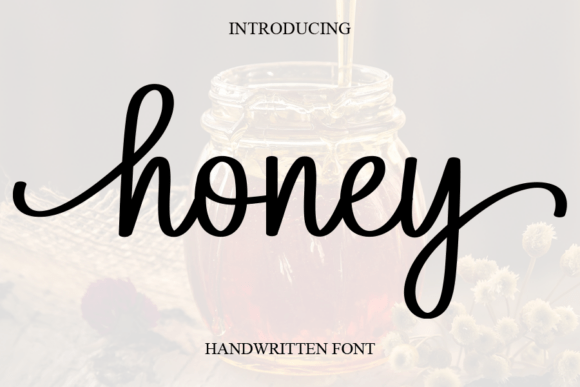
Honey is a sweet and cursive handwritten font. Its design is characterized by gentle, flowing letterforms that aim to create a sense of joy and romance. Unlike rigid, geometric sans-serifs or formal serifs, Honey's personality is casual, approachable, and elegant. It is not designed for large blocks of body text but rather for display purposes where its unique character can be appreciated. The font's cursive nature means its letters are often connected, mimicking the fluid motion of handwriting, which can add a personal, human touch to digital designs.
Core Benefits and Design Strengths
The primary benefit of using the Honey font lies in its ability to inject a specific emotional tone into a project. Its aesthetic is inherently joyful and romantic, making it a strong candidate for designs that need to convey warmth, affection, or a lighthearted spirit. When used appropriately, it can make a design feel more personal and less corporate.
This font shines in several key areas:
- Branding and Logos: For businesses that want to project a friendly, approachable, and slightly whimsical image, Honey can be effective. Think of bakeries, boutique gift shops, florists, or lifestyle brands targeting a demographic that appreciates a handmade aesthetic.
- Event Stationery: Its romantic and elegant yet casual quality makes it a natural fit for wedding invitations, save-the-dates, and other celebratory materials. It adds a personal, celebratory touch without feeling overly formal.
- Marketing and Social Media: For promotional graphics, social media quotes, or fashion lookbooks, Honey can help a design stand out with a touch of elegance and personality. It is often used for headlines or short, impactful phrases.
- Greeting Cards and Personal Projects: The font's inherent sweetness is perfectly suited for greeting cards, scrapbooking, and any personal project where a heartfelt, handwritten feel is desired.
Key Considerations and Potential Tradeoffs
While Honey has clear strengths, a thorough evaluation requires considering its limitations. The most significant tradeoff is readability. Cursive and highly decorative fonts like Honey can be difficult to read, especially at smaller sizes, in long sentences, or for viewers with visual impairments. Its connected letterforms can blur together, reducing clarity.
Another consideration is its specificity of tone. The joyful and romantic vibe, while a strength in the right context, can feel out of place in more serious, corporate, or technical environments. Using Honey for a law firm's website or a financial report would likely undermine credibility and confuse the audience.
Furthermore, overuse of a single decorative font can lead to visual monotony or make a design feel dated. Honey is best used as an accent or for headlines, paired with a clean, highly legible sans-serif or serif font for body text to ensure overall readability and visual balance.
Practical Decision-Making: Is Honey Right for Your Project?
To determine if Honey aligns with your goals, consider the following practical questions:
- What is the core message and tone? If your project aims to be romantic, celebratory, friendly, or whimsically elegant, Honey could be a match. If the goal is to appear authoritative, minimalist, or highly professional, it likely is not.
- Who is the target audience? Consider the preferences and expectations of your audience. A younger, lifestyle-oriented audience might respond well to its charm, while a more conservative or professional audience might find it inappropriate.
- What is the primary function of the text? Honey is a display font. It is suitable for short headlines, titles, or logos. It is generally not suitable for paragraphs, detailed instructions, or any text where quick, effortless reading is paramount.
- How will it be paired with other fonts? Successful use often depends on pairing Honey with a neutral, legible font. Plan your font hierarchy before committing.
- Have you tested it in context? Always test the font at the intended size and in the intended color scheme on a mockup. Check its legibility on different devices and screens.
Situations Where Alternatives May Be Preferable
You should consider alternatives to Honey in several scenarios:
- For Body Text: Any project requiring extensive reading will benefit from a simple, clean font. Options like Open Sans, Lato, Roboto, or a classic serif like Georgia offer superior readability for paragraphs.
- For Corporate or Formal Communication: For business proposals, academic papers, or official documentation, a more neutral and professional typeface is essential. Fonts like Montserrat, Helvetica, or Times New Roman convey stability and clarity.
- When High Legibility is Critical: In contexts like user interfaces, instructional manuals, or accessibility-focused designs, prioritize fonts designed specifically for clarity across all sizes and weights.
- If a Different "Handwritten" Style is Needed: The "handwritten" category is broad. If you need a more rustic, bold, or casual script, explore other options. Honey's specific sweet and cursive style may not be the only or best fit for every handwritten aesthetic.
Conclusion: Making an Informed Choice
Honey is a specialized tool in a designer's toolkit. Its value is not universal but is highly context-dependent. It excels at adding a joyful, romantic, and personal touch to specific types of projects, particularly those related to celebrations, lifestyle branding, and elegant yet casual marketing. However, its decorative nature comes with clear tradeoffs in readability and tone specificity.
The decision to use Honey should be based on a clear understanding of your project's goals, audience, and functional requirements. By evaluating its strengths against its limitations and considering how it fits within your broader typographic system, you can make an informed choice. If your project's narrative aligns with its gentle, cursive charm, Honey can be a beautiful and effective element. If not, exploring the wide world of alternative typefaces will likely yield a more suitable solution.