Evaluating the Gloria Font: A Practical Guide for Modern Designers
In the vast landscape of digital typography, finding a typeface that balances personality with readability is a common challenge for designers and creatives. Gloria, a handwritten font crafted by the renowned type designer Peter Wiegel, stands out as a compelling option for projects requiring a personal touch without sacrificing elegance. This article provides a balanced analysis of Gloria's characteristics, its ideal use cases, and how it compares to other script-style fonts, helping you determine if it's the right asset for your creative toolkit.
Understanding Gloria's Design Philosophy
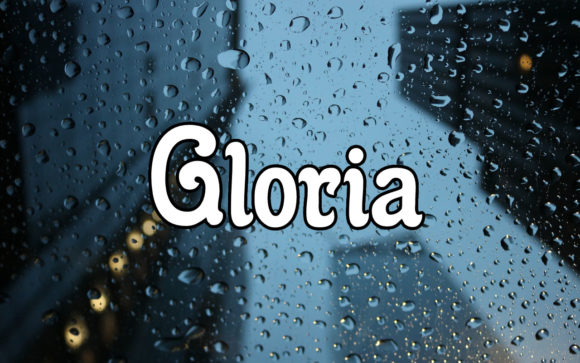
Gloria is defined by its fluid, flowing strokes and a structure that mimics natural, connected handwriting. Unlike many script fonts that can appear overly casual or chaotic, Gloria features beautifully balanced characters. Each letterform is carefully designed to harmonize with the next, creating a seamless and rhythmic visual flow. This balance is key to its versatility. The font avoids the extremes of being too formal for casual use or too informal for professional applications, occupying a valuable middle ground in the spectrum of handwritten typefaces.
The craftsmanship by Peter Wiegel ensures that Gloria maintains legibility even at smaller sizes, a common pitfall for many decorative scripts. The letters are well-spaced, and the connections between them feel organic rather than forced. This thoughtful construction makes it more than just a decorative element; it becomes a functional tool for communication that adds warmth and human appeal.
Key Strengths and Practical Applications
Gloria's primary strength lies in its ability to inject personality into a design while maintaining a polished, professional appearance. Its well-balanced nature makes it particularly effective for projects where readability and aesthetic appeal must coexist.
Ideal use cases for Gloria include:
- Branding and Logo Design: For businesses that want to convey approachability, creativity, or craftsmanship, Gloria can create distinctive wordmarks. It works well for boutique shops, artisan brands, creative agencies, and lifestyle blogs.
- Wedding Invitations and Event Stationery: The font's elegant flow is perfect for formal and semi-formal invitations, place cards, and menus, where a handwritten feel adds a personal, luxurious touch.
- Editorial and Packaging Design: Gloria can be used effectively for headlines, pull quotes, or product names in magazines, books, and packaging. It draws the eye without overwhelming the supporting text.
- Digital Content: When used sparingly, it can enhance website headers, social media graphics, or video titles, helping to establish a unique visual voice for a brand or creator.
Comparing Gloria to Other Script Styles
When evaluating Gloria, it's useful to consider how it fits within the broader categories of script and handwritten fonts. Understanding these distinctions helps in making an informed choice.
Formal vs. Casual Scripts: Traditional calligraphic or formal scripts (like those inspired by copperplate) are highly structured, with consistent thick and thin strokes. They evoke formality and tradition. At the other end, casual or whimsical scripts mimic quick, sketchy handwriting. Gloria sits closer to the casual end but with a refinement that pulls it back from being too informal. It’s a "semi-formal" script—more relaxed than a wedding invitation classic, but more controlled than a marker-drawn font.
Monoline vs. Thick-and-Thin: Some handwritten fonts use a uniform stroke width (monoline), creating a clean, modern look. Gloria, however, embraces natural variation in stroke weight, which adds depth, movement, and a more authentic hand-drawn quality. This characteristic is a trade-off: it offers more visual interest but requires careful pairing with simpler, complementary typefaces for body text.
Connectivity and Flow: A key differentiator for Gloria is its connected style. The letters join smoothly, which enhances the sense of continuous writing. This is a significant advantage over many handwritten fonts where letters stand separate, which can sometimes disrupt the reading flow. However, this connectedness can also be a limitation. In all-caps settings or very small sizes, the connections may become unclear, reducing legibility.
Decision Factors: When to Choose Gloria
Choosing Gloria should be based on a clear understanding of your project's goals and context. Consider it a strong candidate in the following scenarios:
- You need a human touch with sophistication: If your design requires warmth and personality but must also feel credible and polished, Gloria is a prime choice. It avoids the childish or overly casual vibe of many script fonts.
- The primary use is for display text: Gloria shines in headlines, logos, and short phrases where its character can be fully appreciated. It is not designed for long-form reading.
- You have control over the design environment: Since its legibility depends on size and contrast, using Gloria in contexts where you can ensure adequate spacing and a clean background is ideal.
Recognizing Limitations and Considering Alternatives
No typeface is perfect for every situation. Gloria's limitations are important to acknowledge:
- Body Text Unsuitability: Like most decorative scripts, Gloria is not appropriate for paragraphs or large blocks of text. The eye fatigue caused by reading connected handwriting at length would be significant.
- Size Sensitivity: Its detailed, flowing forms can become muddy or illegible at very small sizes, particularly on low-resolution screens. Testing at the intended output size is crucial.
- Pairing Challenges: Finding the right companion font for body text is essential. A highly ornate script paired with another decorative font can create visual chaos. Gloria typically pairs best with clean, neutral sans-serifs or simple serifs that provide a calm, readable counterpoint.
If your project demands extreme formality, a traditional calligraphic script would be more appropriate. If you need a handwritten look for extensive body copy, you would be better served by a more legible, monoline "print-style" handwriting font. For a completely disconnected, modern brush effect, other specialized fonts would be a better fit.
Practical Implementation Tips
To get the most out of Gloria, follow these practical guidelines:
- Contrast is Key: Always use Gloria against a high-contrast background to ensure its delicate strokes are visible.
- Ample Spacing: Give it room to breathe. Slightly increased letter-spacing can improve legibility, especially in digital applications.
- Limit Your Palette: Use Gloria for key words or phrases. Overusing it dilutes its impact and can make a design feel cluttered.
- Test Across Mediums: Check how the font renders on different devices and in print. What looks elegant on a high-resolution monitor might not translate well to a small printed label.
Conclusion: A Tool for Informed Creativity
Gloria by Peter Wiegel is a thoughtfully designed handwritten font that offers a beautiful balance between artistic expression and functional design. Its strengths are most evident in projects that value elegance, approachability, and a distinct human element. By understanding its ideal applications, its stylistic place among other scripts, and its inherent trade-offs, you can make a strategic decision about incorporating it into your work. Like any design asset, its value is realized through careful and context-aware application, allowing you to bring your most creative ideas to life with confidence and clarity.