Cut Out: A Detailed Look at This Outlined Display Font
In the world of typography, finding a display font that is both visually striking and functionally versatile can be a significant challenge. Many decorative typefaces sacrifice readability for style, or they become so niche that their application is severely limited. The Cut out font, a creation from the experienced type designer Peter Wiegel, presents a compelling case for a middle ground. It is an outlined, cutout display font that leverages negative space to create its distinctive look, offering a fresh option for designers seeking to add a layer of sophistication and modernity to their work without overwhelming their compositions.
Understanding the Design Philosophy
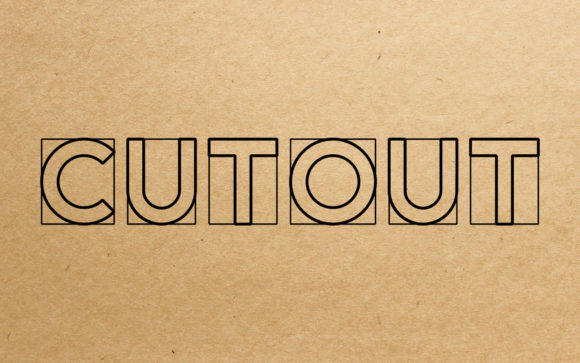
At its core, Cut out is not a solid, filled typeface. Instead, it presents letterforms as outlines, where the interior of each character is transparent, effectively "cut out" from the page or background. This approach fundamentally changes how the font interacts with design elements. Rather than sitting on top of a design, it allows the underlying color, texture, or image to become an integral part of the letterform itself. This creates a dynamic relationship between the typography and its context, making it particularly effective in layered compositions where integration, rather than dominance, is the goal.
The font's construction is notably well-balanced. Peter Wiegel has crafted each character with careful attention to proportion and spacing. The outlined strokes are consistent in weight, ensuring that the font maintains a uniform appearance across different sizes and applications. This balance is crucial for a display font, as inconsistencies can quickly make a design look unprofessional. With Cut out, the letters feel intentional and cohesive, whether used for a single word in a logo or for a short, impactful headline.
Key Characteristics and Practical Strengths
Several features define the practical utility of Cut out. Its primary strength lies in its ability to create visual interest through simplicity. The outlined style is inherently modern and clean, aligning well with contemporary design trends that favor minimalism and clever use of space. It avoids the heaviness that can come with solid, bold fonts, making it a good choice for designs that need to feel airy yet substantial.
Usability is a critical factor for any font, and Cut out performs admirably in this regard. Its letterforms are clear and legible at display sizes. The cutout effect does not sacrifice the fundamental recognition of each character, which is essential for effective communication. Designers can use it for headings, titles, logos, and short phrases with confidence that the message will be understood. The font's consistency across its character set means that setting words and even short sentences is reliable, without awkward spacing or mismatched weights that can plague more experimental typefaces.
When it comes to flexibility, Cut out demonstrates a wide pool of potential applications. It is not confined to a single aesthetic. Depending on the background it is placed over, it can evoke different moods. Over a vibrant color, it feels energetic and playful. Over a subtle texture or a muted photograph, it can appear elegant and sophisticated. This chameleon-like quality makes it a valuable asset in a designer's toolkit, as a single font can be adapted to suit various project requirements, from branding and packaging to digital media and print collateral.
Real-World Application and Performance
In practical use, the effectiveness of Cut out hinges on thoughtful implementation. It is, first and foremost, a display font. This means it is designed for impact at larger sizes, such as in headlines, banners, posters, and hero sections on websites. Using it for body text would be impractical and would undermine its strengths, as the outlined style could become fatiguing to read over long passages and may not reproduce well at smaller sizes.
A realistic example of its application could be in the branding for a boutique creative agency. The agency's logo might use Cut out set against a deep navy background. The letters would appear as elegant, hollow forms, with the navy showing through, creating a look that is both professional and distinctive. This approach avoids the cliché of a solid, heavy logo mark and instead uses the brand's own color as a fundamental design element within the typography.
Another strong use case is in editorial design. A magazine spread or a book cover could employ Cut out for a chapter title or a pull quote, set over a full-bleed image. The font would allow the photograph to remain visible through the letterforms, creating a seamless and integrated visual that draws the reader's eye without completely obscuring the underlying content. This technique requires careful selection of the background image—ensuring there is sufficient contrast and that the key parts of the image are not lost—but when executed well, the result is highly effective.
Who Benefits Most and When to Consider It
The audience for Cut out is broad, but it will resonate most with professionals and creators who value design that communicates intelligently. Graphic designers, branding specialists, and web designers will find it a useful tool for projects that require a modern, clean aesthetic with a twist. Marketers and content creators looking to elevate their visual materials—such as social media graphics, presentation title slides, or promotional posters—can use it to make their work stand out.
Small business owners developing their own marketing materials may also appreciate its balance of uniqueness and usability. It offers a way to look polished and contemporary without resorting to overly complex or trendy fonts that might quickly date. For educators and publishers, it could be applied thoughtfully in materials aimed at adult learners or in contexts where a touch of creative flair is appropriate, such as in workshop handouts or course branding.
However, it is important to recognize its limitations. Cut out is not a workhorse font for long-form text. Its purpose is decorative and impactful. Projects that require a typeface for extensive reading, technical documents, or user interfaces would be better served by a more conventional sans-serif or serif family. Additionally, its outlined nature means it relies heavily on the background for its effect. In contexts where the background is unpredictable or busy, the legibility of Cut out could be compromised, requiring careful testing.
Quality, Longevity, and Final Considerations
From a quality standpoint, the font reflects the work of a seasoned designer. The vector outlines are clean and should scale smoothly without rendering issues. As a free resource, its value proposition is high, offering a level of design sophistication typically associated with premium fonts. Its long-term value is tied to the enduring appeal of outlined typography, which has cycled through various periods of popularity but consistently returns as a fresh approach. While no font is truly "future-proof," Cut out's clean lines and balanced forms give it a timeless quality that is less susceptible to rapid trend obsolescence.
In conclusion, Cut out by Peter Wiegel is a thoughtfully designed display font that fills a specific niche effectively. It is best understood as a tool for creating visual hierarchy and interest through the clever use of outlined forms and negative space. Its strengths lie in its balance, legibility at intended sizes, and surprising versatility across different design contexts. For designers and creators working on projects where a headline needs to make a statement without shouting, or where integration with background elements is desired, Cut out is a credible and practical option worth serious consideration. Its ultimate success in any project will depend on the designer's skill in applying it where its unique characteristics can shine.