Evaluating Pramudya: A Practical Look at a Playful Handwritten Script
In the vast landscape of digital typography, the search for a font that balances personality with usability can be challenging. For designers, crafters, and small business owners, the typeface chosen for a project does more than just convey words; it sets a tone, builds a brand identity, and influences how a message is received. Among the myriad of options available, Pramudya, a modern handwritten script font created by Kong Font Studio, presents itself as a distinct choice. This article offers a balanced evaluation of its characteristics, ideal applications, and how it compares to broader font categories to help you determine if it's the right resource for your creative toolkit.
Understanding the Core Characteristics of Pramudya
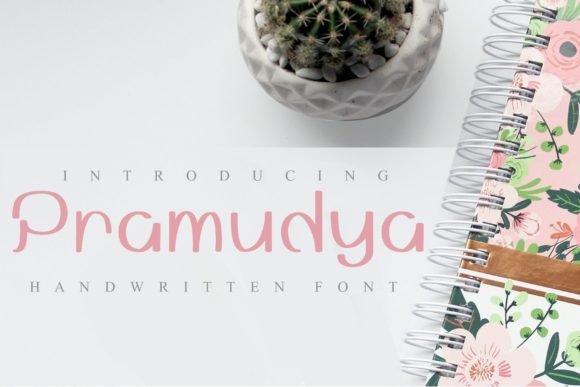
At its heart, Pramudya is a modern and playful handwritten script font. This description is key to understanding its design philosophy. Unlike traditional calligraphy fonts that may mimic formal penmanship, or rustic scripts that evoke a vintage feel, Pramudya aims for a contemporary, energetic, and approachable aesthetic. Its letterforms are crafted to feel organic and spontaneous, as if quickly sketched by hand, yet they maintain a level of legibility crucial for practical design work.
The "playful" aspect is often evident in its varied baseline, slight irregularities in stroke width, and potentially in the design of specific letter connections or swashes. These elements combine to create a sense of movement and friendliness. This distinguishes it from more rigid, uniform script fonts that can sometimes feel sterile or overly formal. For a crafter making a birthday card or a designer creating social media graphics, this inherent cheerfulness can be a significant asset, immediately conveying a sense of fun and creativity.
Practical Applications and Tool Compatibility
A font's value is ultimately measured by its utility. Pramudya is marketed as being great for crafters and designers, a claim supported by its compatibility with widely used creative tools. Its mention alongside Photoshop and Silhouette Design Studio is particularly telling. Compatibility with Adobe Photoshop means it integrates seamlessly into professional graphic design workflows for digital projects like web banners, advertisements, and photo overlays. Its availability for use in Silhouette Design Studio, a cornerstone for hobbyists and small businesses using cutting machines, directly addresses the crafting community. This makes it a practical choice for creating custom decals, vinyl lettering for mugs and tumblers, custom apparel, and intricate paper crafts.
When evaluating any font for your toolkit, consider these practical use cases:
- Digital Design: Ideal for social media posts, blog headers, website accents, and email newsletters where a personal, engaging tone is desired.
- Physical Crafts: Excellent for vinyl projects, card making, scrapbooking, and creating stencils for painting. Its clean lines, while playful, are generally designed to cut well on machines like Cricut or Silhouette.
- Branding for Micro-Businesses: Can be effective for logo accents, product packaging, or business cards for brands that want to project a handmade, approachable, and creative image (e.g., a boutique bakery, a handmade jewelry seller).
Comparing Pramudya to Other Font Categories
To make an informed choice, it's helpful to position Pramudya within the broader context of font styles. Understanding its tradeoffs relative to other categories clarifies its best-fit scenarios.
Versus Traditional Calligraphy Scripts
Fonts in the calligraphy family, such as those mimicking copperplate or spencerian scripts, prioritize elegance, formality, and precise, flowing connections. They are often used for wedding invitations, luxury branding, and formal documents. Pramudya, with its modern and playful stance, is less about formal elegance and more about casual warmth. The tradeoff is clear: you gain approachability and energy but sacrifice the refined, sophisticated air of traditional calligraphy. If your project requires a sense of upscale formality, a calligraphy script would be a more suitable alternative.
Versus Rustic or Vintage Scripts
Rustic scripts often feature textured strokes, rough edges, and a hand-lettered feel that evokes nostalgia or a weathered, organic quality. They work well for brands associated with farmhouse aesthetics, outdoor adventures, or artisanal goods. Pramudya is typically cleaner and more contemporary. Its playfulness is modern rather than nostalgic. The decision here hinges on the project's emotional core: is it aiming for a timeless, earthy vibe (rustic) or a fresh, energetic, and current one (modern playful)?
Versus Uniform Handwriting Fonts
Some handwriting fonts are designed to be highly legible and uniform, almost like a neat, casual print. They offer a personal touch without sacrificing readability, making them good for longer blocks of text. Pramudya, as a script, is likely intended for display use—headlines, logos, short phrases—rather than body text. Its strength is in its stylistic flair for short bursts of text. For projects requiring extended text in a handwritten style, a more uniform and less decorative handwriting font would be a more practical and accessible choice.
Decision Factors: When is Pramudya the Right Choice?
Choosing Pramudya comes down to aligning its specific strengths with your project's needs. Consider it a strong candidate in the following situations:
- Your Brand Voice is Friendly and Creative: If you are developing materials for a children's brand, a creative workshop, a casual lifestyle blog, or a community event, Pramudya's playful character can authentically reflect that voice.
- The Project is Short-Form and Visual: It excels in applications where a few words carry the visual weight: a poster headline, a t-shirt graphic, a cake topper, or a vinyl decal for a notebook.
- You Need Cross-Platform Flexibility: Its noted compatibility with both professional graphic software and popular crafting programs makes it a versatile asset if your work spans digital and physical domains.
- You Want a Handmade Feel Without Messiness: It provides the organic, human touch of handwriting but in a polished, predictable digital format, ensuring consistency across hundreds of prints or cuts.
However, you may need to explore other options if your project demands:
- High-Volume Text Legibility: For reading-intensive materials like brochures or website body copy, a clean sans-serif or serif font is superior for comfort and accessibility.
- A Solemn or Ultra-Professional Tone: For corporate reports, legal documents, or academic papers, Pramudya's playful nature would be inappropriate and undermine credibility.
- Maximum Formal Elegance: As mentioned, for high-end wedding suites or luxury brand marks, a classic calligraphy font would better serve the purpose.
Making an Informed Decision
Ultimately, evaluating a font like Pramudya is a process of matching tool to task. It is not a universal solution but a specialized resource within the typographic toolbox. Its modern handwritten script style offers a distinct blend of approachability and creative energy that can significantly enhance certain projects. Before committing, it is always advisable to test the font with your specific content. Check how its characters interact, ensure its swashes or alternates (if any) work with your words, and confirm that its legibility holds up at the size and in the medium you intend to use.
By understanding its position relative to other font categories and honestly assessing your project's requirements, you can determine whether the playful charm of Pramudya is the right fit. For crafters and designers working on projects that thrive on a friendly, modern, and handmade aesthetic, it presents a compelling and practical option worthy of consideration.