Berry: The Minimalistic Slab Serif for Modern Design
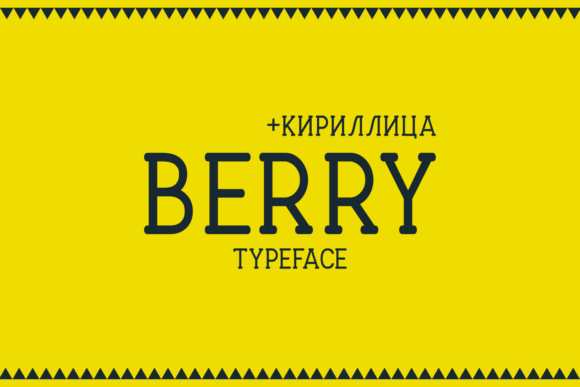
In the vast world of typography, finding a font that balances personality with professionalism can be a challenge. Many typefaces lean too heavily into stylistic extremes, becoming difficult to read or overly decorative. Berry presents a compelling alternative. It is a minimalistic slab serif font, designed with clean lines and a straightforward structure. This approach gives it a unique versatility, allowing it to function effectively across a wide range of applications, from digital interfaces to printed materials.
Understanding the Core Appeal of Berry
At its heart, Berry is defined by its simplicity. The "slab serif" classification refers to fonts that have thick, block-like serifs—the small strokes at the ends of letters. Where many slab serifs can feel heavy or industrial, Berry's minimalistic design softens this effect. The serifs are present but refined, providing structure without overwhelming the letterforms. This creates a typeface that feels both grounded and contemporary. It avoids the starkness of a pure sans-serif while steering clear of the ornate details of a traditional serif. The result is a font that is easy on the eyes, promoting readability in both short bursts of text and longer paragraphs.
Practical Applications for Creators and Professionals
The true value of any font lies in its application. Berry's balanced character makes it a practical tool for solving common design challenges. Consider the needs of a small business owner creating marketing materials. They require a font that conveys reliability and clarity for their brand message. Berry can be used for headlines on a flyer or website banners, offering a strong yet approachable voice. Its legibility also makes it suitable for body text on a product description page, ensuring information is communicated without strain.
For bloggers and content creators, typography directly impacts reader engagement. A wall of text set in a poorly chosen font can deter visitors. Berry's clean architecture supports comfortable reading, which can help keep audiences on the page longer. Its minimalistic style also integrates well with various blog themes, whether the aesthetic is modern, rustic, or corporate. It provides a consistent typographic foundation that doesn't compete with images or other visual elements.
Enhancing Communication and Brand Identity
Font choice is a silent communicator. It sets a tone before a single word is consciously read. Berry's slab serif nature carries connotations of stability, confidence, and craftsmanship. This makes it an intelligent choice for professionals aiming to project these qualities. Educators designing course materials can use Berry to create handouts that feel authoritative yet accessible. Freelancers building a portfolio can employ it to present their work with a polished, cohesive look that speaks to their attention to detail.
Entrepreneurs and marketers can leverage Berry to strengthen brand identity. A consistent typeface is a key component of brand recognition. By integrating Berry into logos, social media graphics, and presentations, a business can develop a visual language that is both distinctive and professional. Its versatility means it can adapt as the brand's messaging evolves, from formal announcements to casual social posts, without losing its core identity.
Streamlining the Design Process
One of the most significant, yet often overlooked, benefits of a well-designed font family is the time it saves. Berry's clarity and consistent weight can simplify decision-making during the design process. Instead of spending hours testing dozens of fonts to find one that works for both headings and body text, designers can often rely on Berry as a single, cohesive solution. Its predictable spacing and kerning—the adjustment of space between characters—reduce the need for tedious manual adjustments, allowing creators to focus on layout and content rather than typographic troubleshooting.
This efficiency is particularly valuable for projects with tight deadlines, such as preparing a last-minute presentation for a client or designing a quick promotional graphic for a social media campaign. Having a reliable, go-to font like Berry in your library can accelerate the workflow from concept to final product.
Who Stands to Benefit Most?
While Berry is a general-purpose font, certain groups may find it especially useful. Designers who work on diverse projects will appreciate its chameleon-like ability to fit into different contexts. Professionals in fields like consulting, architecture, or finance may find that its structured yet modern feel aligns well with their industry's need for trustworthiness without appearing outdated.
Content creators who produce a mix of long-form articles and visual-centric posts will benefit from its dual strength in readability and aesthetic appeal. Even hobbyists working on personal projects, like creating family newsletters or designing invitations, can use Berry to add a touch of polished design without a steep learning curve. Its availability as a free resource further lowers the barrier to entry, making professional-grade typography accessible to all.
Considering Fit and Limitations
No font is a universal solution. Berry's minimalistic slab serif style, while versatile, may not be the ideal choice for every single scenario. For projects requiring an ultra-modern, geometric feel, a clean sans-serif might be more appropriate. Conversely, for designs that aim for a highly traditional, elegant, or historical aesthetic, a classic serif like Garamond or a more decorative script might better serve the purpose.
The key is to consider the project's goals and audience. Berry excels in situations where clarity, approachability, and a subtle sense of solidity are desired. It is a workhorse font, designed for function and broad appeal. It may not have the dramatic flair of a display font meant for a single headline, but that is not its purpose. Its strength is in its reliable performance across multiple contexts.
Integrating Berry into Your Creative Toolkit
Adding Berry to your font library is a straightforward way to expand your typographic options. When you begin using it, start by testing it in your current projects. See how it pairs with your existing color palettes and layouts. Experiment with different sizes and weights, if available, to understand its full range. Use it for a client project's secondary text or a personal blog's sidebar to gauge its performance.
Observe how it affects the overall feel of your design. Does it make the text easier to scan? Does it contribute to the mood you are trying to create? By treating Berry as a practical tool rather than just a decorative element, you can unlock its potential to elevate your work. Its minimalistic design ensures it will support your content, helping your message come through with clarity and quiet confidence. In a digital landscape saturated with visual noise, a font that prioritizes effective communication is a valuable asset indeed.