Back to Vintage: Mastering the Retro Font for Timeless Design
The pull of nostalgia is powerful in design, and nothing captures the spirit of the 60s, 70s, and 80s quite like a well-chosen retro typeface. Among the many options available, Back to Vintage stands out as a display font that promises to inject instant character and warmth into your projects. It’s more than just a collection of letters; it’s a stylistic statement, inspired by the typography of a bygone era where every corner was softer and more rounded. But like any specialized tool, using it effectively requires more than just dragging it onto a canvas. Many creators, from hobbyists to professionals, stumble over common pitfalls that can turn a charming retro vibe into a design misstep.
Understanding the Essence of Back to Vintage
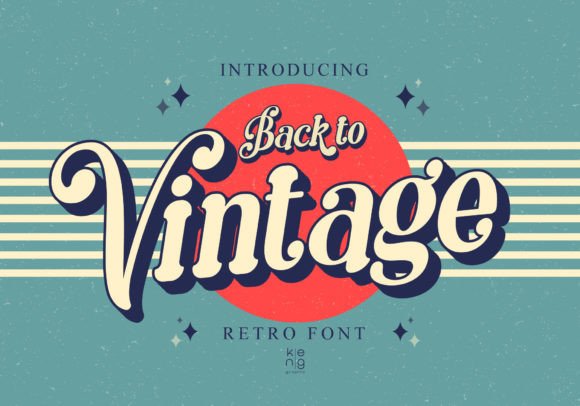
Before diving into application, it’s crucial to understand what makes this font unique. Back to Vintage is a display typeface, meaning it’s designed for headlines, logos, and short bursts of text, not for body copy. Its DNA is rooted in the optimistic, often psychedelic typography of mid-20th century advertising and signage. The character shapes are distinct—think of the rounded terminals on letters like 'a' and 's', or the gentle curves in the 'g' and 'e'. This gives it a friendly, approachable feel that’s instantly recognizable. People are drawn to it because it doesn’t just suggest a time period; it communicates a feeling of playful creativity and handcrafted authenticity, which is a valuable asset in today’s digital landscape.
The Misstep of Misapplication: When Retro Becomes Unreadable
The most frequent error with a font like Back to Vintage is applying it where it doesn’t belong. Its charm is also its limitation. Using it for long paragraphs of text is a recipe for disaster. The very features that make it eye-catching—its decorative curves and unique weight distribution—cause significant eye strain when read at length. Imagine a blog post or a product description set entirely in this font. What starts as a stylistic choice quickly becomes a barrier to communication, frustrating the reader and undermining your message.
The Better Approach: Reserve Back to Vintage for high-impact, low-volume text. It’s perfect for:
- A striking logo or wordmark.
- Website headers and section titles.
- Poster headlines or event names.
- Social media graphics with a short, punchy slogan.
Pair it with a clean, highly legible sans-serif or serif font for body text. For example, the rounded, friendly vibe of Back to Vintage pairs beautifully with the clean neutrality of a font like Open Sans or Lato. This contrast creates visual hierarchy and ensures your design is both beautiful and functional.
Overlooking Context and Audience: A Vintage Mismatch
Another common oversight is failing to consider the context of your project and the expectations of your audience. The retro aesthetic evokes specific cultural associations. While it’s perfect for a craft brewery label, a vinyl record shop website, or a indie music festival poster, it might feel out of place for a corporate law firm’s annual report or a cutting-edge tech startup’s app interface. The font’s personality must align with the brand’s personality and the message’s intent.
Practical Advice: Conduct a quick “context check.” Ask yourself:
- Who is this for? Does my target audience appreciate nostalgia, or will they find it dated?
- What is the core message? Is it about tradition, fun, creativity, and nostalgia? Or is it about innovation, precision, and modernity?
- Where will it be seen? A vintage-inspired font works on a concert poster but may not translate well to a formal business card if the industry is highly traditional.
If the context is right, the font becomes a powerful storytelling tool. If it’s wrong, it can create cognitive dissonance and make your brand seem inauthentic.
The Technical Trap: Ignoring Font Licensing and Quality
In the excitement of finding the perfect retro font, many creators, especially beginners, overlook the critical details of licensing and file quality. Back to Vintage is available for purchase from reputable foundries and marketplaces. Downloading it from an unauthorized “free font” site is not only illegal but risky. Such files can be incomplete, corrupted, or even bundled with malware.
Furthermore, licensing is key. A font license dictates how you can legally use it. A desktop license for a personal project is different from a webfont license for a commercial website or an app license. Using a font beyond the scope of its license can lead to legal issues and unexpected costs down the line.
The Correct Process:
- Source Ethically: Always download Back to Vintage from the original designer or a trusted distributor.
- Read the License: Before purchasing, understand what the license allows. Do you need it for print, web, or both? Is it for one project or unlimited projects?
- Check the Files: A professional font package should include multiple file formats (OTF, TTF, WOFF, WOFF2) for different uses and clear documentation.
Stagnation in Style: Failing to Explore the Font’s Potential
Some users treat a display font as a one-trick pony. They find a single look—like a solid color on a neutral background—and stick with it. This misses the creative potential of a typeface with as much character as Back to Vintage. Its soft, rounded shapes are incredibly versatile for creative manipulation.
Unlocking Creativity: Experiment with these techniques to make the font your own:
- Layering and Effects: Add a subtle inner shadow or a gentle bevel to give the letters a tactile, embossed feel reminiscent of old signage.
- Texturizing: Apply a grainy texture or a subtle paper overlay to the text to enhance the vintage, printed effect.
- Color Play: Don’t shy away from the color palettes of the 60s and 70s—mustard yellow, burnt orange, avocado green, and teal. These colors amplify the retro authenticity.
- Pairing with Imagery: Combine the font with retro-inspired graphics, such as sunburst lines, geometric shapes, or vintage illustration styles.
By treating Back to Vintage as a starting point for creativity rather than an end point, you can develop a unique and memorable visual identity.
Making an Informed Decision with Back to Vintage
Before you commit, evaluate the font thoroughly. Does it include the character set you need (like extended Latin or special punctuation)? Does it offer stylistic alternates or ligatures that give you more design flexibility? A high-quality retro font will often include these extras.
Try before you buy if possible. Use the font in a mockup of your actual project—your logo draft, your poster layout. See how it feels in context. Does it maintain its readability at the sizes you’ll use? Does its personality clash or harmonize with your other design elements?
Back to Vintage is a fantastic tool for evoking a specific, beloved era in design history. Its soft, rounded forms and retro charm can make any project feel more engaging and nostalgic. The key to success lies in using it wisely: respecting its role as a display font, aligning it with your audience and message, securing it properly, and pushing its creative boundaries. When you avoid the common mistakes and embrace its strengths, you move beyond simply using a font and start crafting a genuine retro experience that truly resonates.