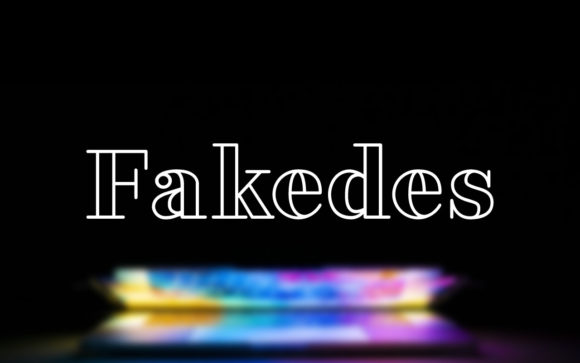
Fakedes Outline: Elevating Your Creative Projects with Elegant Type
In the landscape of digital design, the choice of typography often serves as the silent ambassador of a brand’s voice. While bold serifs and clean sans-serifs have their place, there is a specific demand for typefaces that offer transparency, lightness, and modern elegance. This is where Fakedes Outline enters the conversation. Designed by Cyril Mikhailov, this font is not merely a collection of characters; it is a versatile tool that balances artistic expression with structural integrity. Whether you are a freelancer designing a brand identity or a small business owner creating marketing materials, understanding how to leverage this font can transform your visual communication.
The Anatomy of Elegance
At its core, Fakedes Outline is a stunning, beautiful, and flowing font. However, its appeal goes beyond surface-level aesthetics. The defining characteristic of this typeface is its outline style—meaning the characters are defined by their edges rather than solid fills. This approach creates a sense of openness and airiness that solid fonts often struggle to achieve. Cyril Mikhailov has crafted characters that are well-balanced, ensuring that despite the thin lines, the text remains legible and grounded.
The "flowing" nature of the font suggests a calligraphic influence, yet it retains a geometric precision that prevents it from looking chaotic. This duality allows it to match a wide pool of designs. It does not scream for attention; rather, it invites the viewer to look closer. For designers working on projects that require a sophisticated touch without the heaviness of traditional typography, this font provides the perfect solution.
Practical Applications for Modern Creators
Understanding a font’s technical specs is one thing, but knowing how to apply it is where the value lies. Fakedes Outline is particularly effective in specific scenarios where clarity and style must coexist. Here are several practical ways different creators can utilize this typeface:
- Logo Design and Branding: For brands aiming for a high-end, minimalist, or artistic image, using an outline font for the wordmark can create a distinctive mark. It works exceptionally well for fashion boutiques, architecture firms, and lifestyle blogs. The outline style ensures the logo remains light and scalable across different media.
- Editorial and Magazine Layouts: In the publishing world, drop caps and pull quotes need to stand out. Fakedes Outline can be used for these elements to add a touch of editorial flair without cluttering the page. It breaks the monotony of body text and draws the reader’s eye to key points.
- Digital Headers and Web Design: Website hero sections benefit greatly from typography that is easy to read but visually distinct. Using this font for H1 or H2 headers allows background imagery to remain visible through the text, creating a layered, integrated design that feels modern and responsive.
- Social Media Graphics: On platforms like Instagram or Pinterest, where visual competition is fierce, text needs to be impactful. The outline style is perfect for overlaying text on photographs, as it creates contrast without completely obscuring the background image.
Adapting to Different Audiences and Contexts
The versatility of Fakedes Outline lies in its ability to be interpreted differently depending on the context. It is not a "one-size-fits-all" solution, but rather a chameleon that adapts to the creator's intent.
For the Entrepreneur and Marketer
If you are launching a product or a service, trust is paramount. You want to appear established and professional. Using Fakedes Outline in your presentations or pitch decks can signal innovation. It suggests that you are forward-thinking and detail-oriented. However, it is crucial to pair it with a solid, highly readable sans-serif for body copy. The outline font should be the accent—the highlight—while the supporting font carries the heavy lifting of information delivery.
For the Educator and Hobbyist
Educators creating course materials or workshop handouts often struggle to make text-heavy documents engaging. Incorporating this font into headers, chapter titles, or section dividers can make learning materials feel less like a chore and more like a curated experience. For hobbyists, such as those designing wedding invitations or personal scrapbooks, the flowing nature of the font adds a personal, handwritten touch that feels intimate and celebratory.
For the Visual Artist and Photographer
When text is placed over art or photography, it risks becoming a distraction. The transparency inherent in outline typography solves this problem. Fakedes Outline allows the artwork to breathe. It acts as a frame rather than a mask. This is particularly useful for gallery exhibitions, art portfolios, or photo albums where the visual content is the priority.
Creative Strategies: Making the Font Come Alive
To truly notice how this font makes your ideas come alive, you must move beyond simple placement. Here are some advanced creative strategies for using Fakedes Outline:
- Color Gradients: Instead of a standard black or white outline, apply a gradient fill to the text. This works exceptionally well in digital formats (web and social media). A gradient that transitions from a warm tone to a cool tone can add depth and energy to the typography.
- Layering Techniques: Try placing a solid version of a similar font directly behind the outline version, slightly offset. This creates a "shadow" or "retro" effect that adds dimension. Alternatively, layer the outline text over a bold block of color to create a striking geometric contrast.
- Animation: For web designers and video editors, outline fonts are fantastic for kinetic typography. You can animate the "drawing" of the letters or have the outline pulse with the rhythm of background music. The simplicity of the lines makes these animations smooth and professional.
- Mixed Media: Combine the digital font with texture. In design software, use a clipping mask to fill the outline text with a scanned paper texture, watercolor wash, or concrete pattern. This bridges the gap between digital precision and organic artistry.
Maintaining Clarity and Consistency
While Fakedes Outline is beautiful, outline fonts can sometimes pose legibility challenges, particularly at small sizes or on busy backgrounds. To ensure your designs remain effective and audience-friendly, adhere to these guidelines:
- Size Matters: Reserve this font for display purposes—headlines, titles, and logos. Avoid using it for body text or long paragraphs. The thin strokes can become difficult to read at 12pt or 14pt sizes, especially on lower-resolution screens.
- Contrast is Key: Ensure there is sufficient contrast between the text color and the background. Because the font is an outline, the "fill" is the background color. If the background is noisy or multicolored, the text may get lost. In such cases, consider adding a subtle drop shadow or a semi-transparent overlay behind the text to ensure readability.
- Spacing and Tracking: Outline fonts often benefit from increased letter spacing (tracking). The airy nature of the characters can feel cramped if set too tight. Giving the letters room to breathe enhances the elegant, flowing aesthetic that Cyril Mikhailov intended.
Conclusion: A Tool for Creative Growth
Incorporating new typography into your workflow is one of the fastest ways to refresh your creative output. Fakedes Outline is more than just a decorative asset; it is a functional tool that bridges the gap between minimalism and expressiveness. By understanding its strengths—its balance, its flow, and its transparency—you can apply it to a wide range of projects, from corporate branding to personal art.
Whether you are a freelancer looking to impress a client or a small business owner redesigning your website, consider how an outline typeface can change the perception of your content. Add it to your most creative ideas, experiment with layering and color, and watch as it brings a new level of sophistication to your visual language.