Discovering the Elegance of the Retail Therapy Font
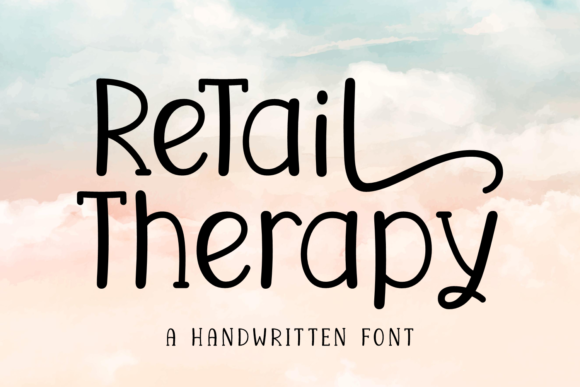
In the vast and often overwhelming world of digital typography, finding a typeface that perfectly balances personality with professionalism can feel like searching for a needle in a haystack. However, every once in a while, a design emerges that captures the zeitgeist of modern aesthetics while offering incredible versatility. Enter Retail Therapy, an elegant handwritten font that has been making waves in the design community. Characterized by its thin, tall characters and flowing script style, this font is more than just a collection of letters; it is a tool for expression, a bridge between casual intimacy and high-end sophistication.
The Anatomy of Elegance: Understanding the Aesthetic
To truly appreciate what Retail Therapy brings to the table, one must look at its structural composition. Unlike heavy, blocky fonts that demand attention through sheer size, Retail Therapy commands attention through grace. The defining feature of this typeface is its verticality. The characters are designed to be taller and thinner than the average script font. This structural choice creates a visual rhythm that feels airy and light, preventing text blocks from feeling dense or claustrophobic.
The "handwritten" aspect of Retail Therapy is crucial, but it is executed with a level of polish that separates it from casual, messy scrawls. It retains the organic imperfections of a human hand—the slight variations in line weight, the natural flow of cursive connections—but it cleans them up to ensure legibility. This creates a vibe that is personal and approachable, yet undeniably chic. It feels like a love letter written by a fashion designer or a journal entry penned in a luxury suite. For anyone looking to infuse a project with a sense of modern femininity, soft luxury, or artistic flair, the aesthetic of this font provides an immediate solution.
Real-World Applications: Where to Use Retail Therapy
The true value of a typeface lies in its application. A font can be beautiful in isolation, but if it doesn't serve a purpose in the real world, its utility is limited. Fortunately, Retail Therapy is designed with a broad spectrum of uses in mind. Its versatility is one of its strongest selling points, making it a favorite among graphic designers, social media managers, and DIY crafters alike.
Print-on-Demand and Physical Products
One of the most popular applications for Retail Therapy is in the creation of physical products, particularly within the print-on-demand industry. Because the font is elegant yet readable, it is perfect for items that serve as decorative pieces in a home or office.
- Wall Art and Frames: The tall, thin nature of the characters makes Retail Therapy ideal for vertical quotes or sayings intended to be framed. It adds height to the design, drawing the eye upward and creating a sense of spaciousness on the canvas.
- Wedding Stationery: Invitations, save-the-dates, and place cards often require a font that feels formal but not stiff. The handwritten quality of this font adds a personal touch that printed serifs or sans-serifs often lack.
- Apparel and Tote Bags: Script fonts often struggle on clothing because they can become illegible when stretched across fabric. However, the distinct line work of Retail Therapy allows it to maintain its shape on t-shirts, hoodies, and tote bags, particularly for short, punchy slogans.
Digital Branding and Social Media
In the digital realm, attention spans are short, and visuals must pop instantly. Retail Therapy excels in environments where quick, emotional connection is required.
- Logo Design: For brands in the beauty, fashion, lifestyle, or wellness sectors, this font offers a sophisticated logo solution. It suggests that the brand is curated, thoughtful, and modern.
- Social Media Graphics: Whether it is an Instagram story, a Pinterest pin, or a Facebook cover photo, using Retail Therapy for headers or pull quotes can instantly elevate the perceived value of the content.
- Greeting Cards and E-Cards: From birthday cards to holiday greetings, the font mimics the feel of a handwritten note, making digital communication feel warmer and more personal.
Who Benefits from This Typeface?
While the applications are diverse, the users of Retail Therapy tend to share a common goal: the desire to communicate with style and clarity. The font is particularly beneficial for specific groups of creators and professionals.
Small Business Owners in the boutique sector find immense value in this typeface. If you are selling handmade jewelry, organic skincare, or artisanal candles, your branding needs to reflect the care you put into your product. Retail Therapy helps build that brand identity without requiring a custom commission from a calligrapher.
Content Creators and Influencers also rely heavily on fonts like this. In a crowded market, personal branding is everything. Using a consistent, elegant font like Retail Therapy across thumbnails and graphics helps in building a recognizable visual identity that followers will associate with quality content.
Furthermore, DIY Enthusiasts and Crafters—particularly those using cutting machines like Cricut or Silhouette—appreciate fonts that cut cleanly. The thin lines of this font require precision, but when weeded correctly, they produce stunning results on vinyl decals, mugs, and paper crafts.
Evaluating Strengths and Considerations
No design tool is perfect for every situation. To use Retail Therapy effectively, it is important to understand both its strengths and its limitations. This knowledge allows you to make informed decisions that prevent design mishaps.
The Strengths
The primary strength of Retail Therapy is its ability to convey "quiet luxury." It does not scream for attention; rather, it invites the viewer in. Its high verticality makes it excellent for creating contrast when paired with a bold, blocky serif or sans-serif font. For example, using a heavy font for the word "SALE" and Retail Therapy for the word "Collection" creates a dynamic visual hierarchy that is pleasing to the eye.
Another strength is its emotional resonance. Typography psychology suggests that script fonts trigger associations with the personal and the human. Because Retail Therapy looks like handwriting, it bypasses the corporate feel of standard business fonts, making it perfect for connection-driven marketing.
The Considerations
The most critical consideration when using Retail Therapy is legibility, specifically at small sizes. Because the characters are thin and rely on intricate loops and swashes, they can become difficult to read if the font size is too small. This is particularly true for body text. Retail Therapy is intended for display use—headers, logos, and titles—not for long paragraphs of small print. If you attempt to write a full article in this font, readers will likely experience eye strain.
Additionally, the "tall and thin" nature means it requires adequate line height (leading). If the lines of text are packed too closely together, the ascenders and descenders (the tall tops of 'h' and 'l' and the tails of 'g' and 'y') will collide, ruining the elegant effect. Giving the text room to breathe is essential.
Practical Guidance for Implementation
For those ready to integrate Retail Therapy into their next project, a few practical tips can ensure the best results. Think of this as a mini-guide to maximizing the font's potential.
- Pairing is Key: Never use a script font in isolation for a full design. Pair Retail Therapy with a clean, geometric sans-serif font (like Montserrat, Lato, or Open Sans). The contrast between the organic, flowing script and the structured, modern sans-serif will make both fonts look better.
- Color and Contrast: Because the strokes of the font are thin, high-contrast color combinations work best. Black text on a white background is classic, but gold text on a dark navy background can create a stunning, luxurious effect perfect for holiday designs or high-end branding.
- Size Matters: Aim to use Retail Therapy at sizes larger than 24pt. This ensures that the delicate details of the typeface are visible and that the text remains legible to the viewer.
- Contextual Awareness: Consider the message. While Retail Therapy is great for "Happy Birthday" or "Fashion Week," it might not be the best choice for a construction company or a heavy machinery manual. Ensure the font matches the tone of the content.
Conclusion
In the realm of digital design, the tools we choose speak volumes before a single word is read. Retail Therapy is more than just a font; it is a stylistic statement. With its elegant, thin characters and modern handwritten appeal, it offers a perfect solution for a wide range of creative needs, from sophisticated logos to heartfelt greeting cards. By understanding its features, respecting its limitations regarding legibility, and pairing it thoughtfully with other design elements, users can unlock a world of aesthetic possibilities. Whether you are a business owner looking to refine your brand identity or a crafter seeking the perfect script for a gift, Retail Therapy stands ready to add a touch of elegance to your work.